Understanding Acupuncture:
Ancient Practice for Modern Health
Acupuncture is a health practice that has been around for thousands of years, but it's still widely used today. As more people look for natural ways to feel better, acupuncture is becoming more popular. This article will explain what acupuncture is, how it works, and why it might be a good option for you.
History and Origins of Acupuncture
Acupuncture comes from traditional Chinese medicine, and it's been used for over 2,000 years. The idea behind acupuncture is simple: the body has a natural energy, known as "Qi" (pronounced "chee"), that flows through pathways in the body. When this energy is blocked or out of balance, it can lead to health problems. Acupuncture aims to restore this balance by inserting thin needles into specific points on the body.
How Acupuncture Works: The Science Behind It
While acupuncture has ancient roots, modern science has been studying how it works. When acupuncture needles are placed in the skin, they stimulate nerves, muscles, and connective tissue. This stimulation can increase blood flow and trigger the release of the body’s natural painkillers, such as endorphins.
Researchers believe that these effects help explain why acupuncture can relieve pain and reduce stress. Some studies have shown that acupuncture can be effective for conditions like chronic pain, migraines, and anxiety. It's a natural way to help the body heal itself, without the use of drugs or surgery.
Common Conditions Treated with Acupuncture
Acupuncture is used for a variety of health issues. Some of the most common conditions people seek acupuncture for include:
- Chronic Pain: Whether it’s back pain, neck pain, or joint pain, acupuncture is known for helping to reduce discomfort and improve mobility.
- Migraines and Headaches: Acupuncture can help decrease the frequency and severity of headaches and migraines.
- Stress and Anxiety: Many people use acupuncture to help manage stress and anxiety, as it promotes relaxation and can help calm the mind.
- Sleep Problems: If you’re having trouble sleeping, acupuncture might help improve the quality of your sleep.
- Digestive Issues: Acupuncture can also support better digestion and help with problems like bloating and indigestion.
What to Expect During an Acupuncture Session
If you’ve never tried acupuncture before, you might be wondering what it’s like. Here’s a simple guide to what you can expect:
- Consultation: Before your session begins, your acupuncturist will ask you about your health history and any symptoms you’re experiencing. This helps them understand your needs and create a treatment plan just for you.
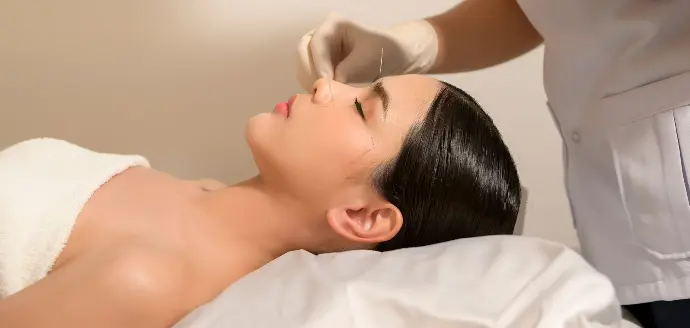
- The Treatment: During the session, you’ll lie down on a comfortable table, and the acupuncturist will gently place thin, sterile needles into specific points on your body. Most people feel little to no discomfort when the needles are inserted.
- Relaxation: After the needles are in place, you’ll rest for about 20-30 minutes. This is a time to relax and let the treatment work. Many people find this part of the session to be very calming.
- After the Session: Once the needles are removed, you might feel relaxed or energized. Some people notice an immediate improvement, while others may need a few sessions to see results.
- Conclusion: Ready to Try Acupuncture? Acupuncture is a safe, natural, and effective way to improve your health. Whether you're dealing with pain, stress, or simply want to feel better overall, acupuncture could be a great option for you.
If you’re curious about how acupuncture can help you, why not give it a try? At Rama Health and Wellness, we are here to guide you through your first session and help you experience the benefits of this ancient practice for modern health.
Schedule Your Acupuncture Session Today
Don’t wait to take control of your health. Contact us today to book your acupuncture session and start your journey towards better health and well-being.